

Mnemba's Reefs: An Underwater Rebirth in Zanzibar
How science and local communities are bringing the corals back to life
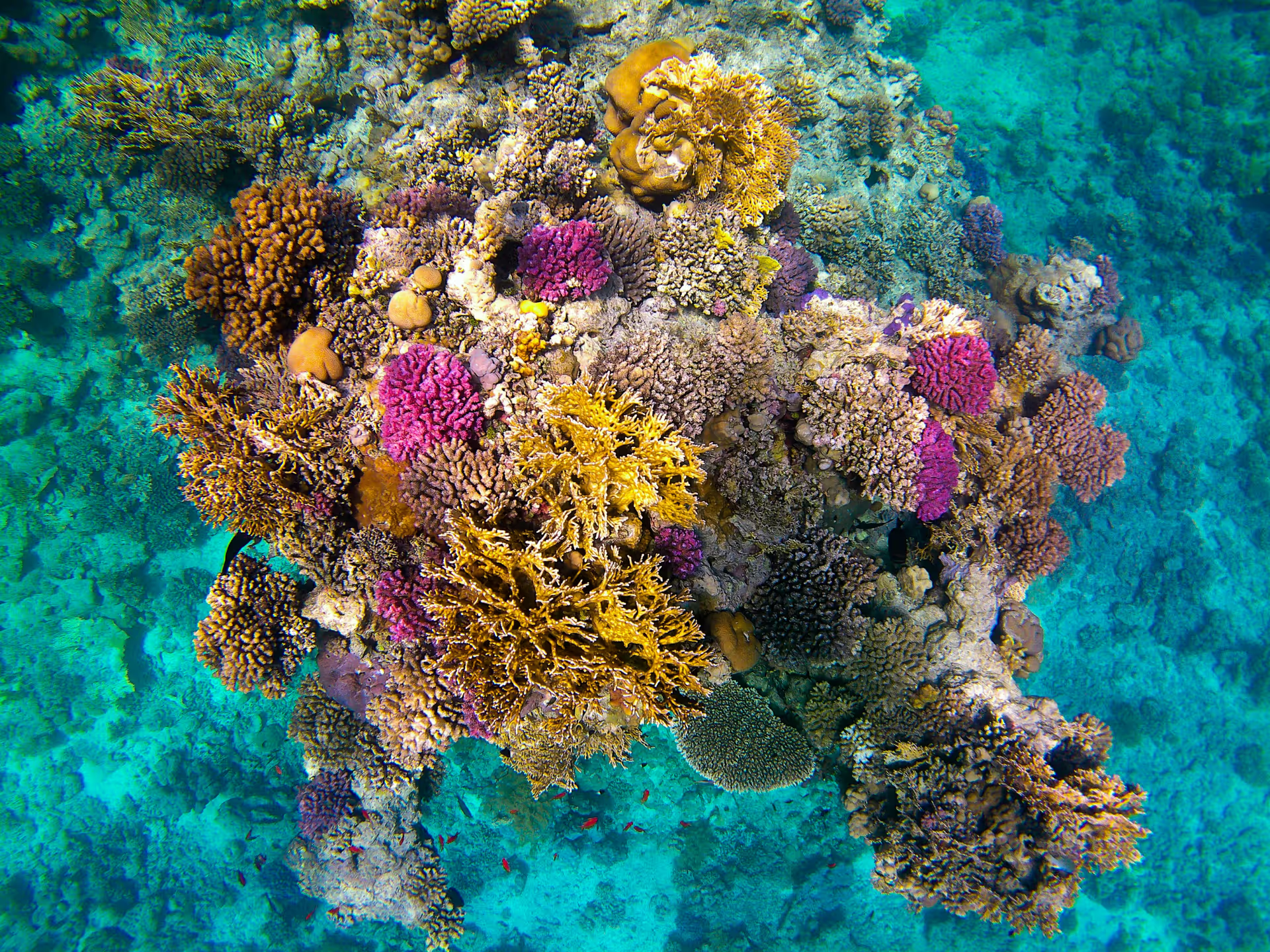
Ten years ago, the Mnemba reef looked like a graveyard. The corals, bleached by the successive El Niño episodes of 1998, 2007 and 2016, had lost their colours and their life. Coral cover had fallen to 10%. The fish had left. Fishermen came home empty-handed. Today, the same reef is unrecognisable: gardens of multicoloured corals shelter hundreds of species, green turtles patrol between the sea fans, and whale sharks return every season. This is the story of a rebirth that gives hope to every ocean in the world.
Mnemba: A Jewel of the Indian Ocean
Mnemba Atoll is a small piece of paradise 3 km off the north-east coast of Zanzibar. This private island, barely 1.5 km around, is surrounded by a coral reef covering 7 km². Declared a Marine Conservation Area (MIMCA) in 2002, it is home to one of the richest marine ecosystems in East Africa.
It hosts more than 600 species of fish, 3 species of sea turtles and humpback dolphins, and between October and March majestic whale sharks come to feed in its plankton-rich waters. The seabed is carpeted with seagrass meadows, underwater prairies that serve as a nursery for hundreds of species.
But this paradise almost disappeared. The anchors of fishing boats fractured the coral colonies. Snorkellers trampling the reef broke the fragile branches. Destructive fishing techniques - dynamite, fine-mesh nets - finished the job. By 2015, the main reef, known as the "House Reef", was little more than a field of rubble.
The Rescue Operation: 7,100 Corals Transplanted
In 2017, the Oceans Without Borders programme, led by South African marine biologist Dr Camilla Floros, launched an ambitious restoration project. The idea: create underwater nurseries to grow fragments of healthy coral, then transplant them onto the degraded reefs.
The process is meticulous. Heat-resistant coral fragments are taken from surviving colonies. They are attached to nursery tables submerged 5 metres deep, where they grow for 6 to 12 months. Once strong enough, they are transplanted onto bio-compatible concrete structures laid on the dead reef.
The figures are impressive: the programme has grown from 5 nursery tables to 42, growing nearly 6,000 fragments at a time. More than 7,100 colonies have been transplanted to date, and 1,580 additional micro-colonies have been installed on six structures that are gradually turning into living reefs.
The result? 80% coral cover restored on Mnemba's House Reef. A figure that seemed impossible only five years ago.
Ocean Rangers: Fishermen Turned Guardians
What makes the Mnemba programme unique is its community approach. The island's former fishermen, the very people who contributed to the degradation of the reefs, have become the first guardians of its conservation.
Trained as marine rangers, they patrol the waters, check the mooring buoys (so that boats no longer anchor on the corals), collect scientific data and guide divers. They know every corner of the reef, every cave, every passage. Their ancestral knowledge of the sea, combined with their scientific training, makes them formidable protectors.
"I used to fish with dynamite. I didn't know I was destroying our future," says Hassan, 45, a ranger since 2019. "Today I earn a better living protecting the reef than destroying it. And my children will see fish that I had stopped seeing."
The economic model is a virtuous one: the entrance fees paid by visitors (now collected through a digital payment system set up with UNDP) directly fund the rangers' salaries, the nursery equipment and awareness programmes. In 2025, these fees were increased to strengthen conservation - a strong signal from the Zanzibar government.
Diving in Zanzibar: The Must-See Sites
The restoration of Mnemba has had a knock-on effect across the whole archipelago. Other dive sites now benefit from similar programmes. Here are the best places to explore Zanzibar's underwater world:
Mnemba Atoll: The crown jewel. Visibility of 20 to 40 metres. Restored, multicoloured corals, green turtles, dolphins, manta rays. From October to March, whale sharks make their appearance. Groups are limited to minimise the impact.
Chumbe Island Coral Park: The first private marine reserve in East Africa. 200 species of hard coral identified, 450 species of fish. Guided snorkelling only, no scuba diving, to preserve the ecosystem.
Pemba Island: The secret island. Less visited than Zanzibar, its reefs are among the best preserved in the western Indian Ocean. The Misali Island Marine Conservation Area is home to 350 species of fish and 40 species of coral. Visibility can reach 50 metres.
Tumbatu Island: Little known to tourists, this island north-west of Zanzibar offers wild dives along dizzying drop-offs. Barracudas, giant groupers and spectacular nudibranchs are regular sights.
Practical tip: The best time for diving and snorkelling is from December to February (calm water, best visibility) and from June to October (dry season, water temperature: 25-28°C).
The story of Mnemba is a tale of resilience. It proves that marine ecosystems can regenerate when science, local communities and responsible tourism work together. But this rebirth remains fragile. Climate change is still a threat, ocean temperatures are rising, and every bleaching episode is a test. By choosing to dive in Zanzibar with responsible operators, you are not just admiring tropical fish. You are funding their survival. And that is the most beautiful dive you will ever make.