

Sustainable Tourism in Zanzibar: Utopia or Necessity?
When Paradise Becomes Victim of Its Success
In 2000, Zanzibar welcomed 100,000 tourists. In 2023, there were 500,000. By 2030, 1 million are expected. This exponential growth enriches the island, but at what cost? Privatized beaches, degraded reefs, diluted culture. Is tourism, meant to develop Zanzibar, actually destroying it?
Tourism Boom and Its Consequences
Since 2010, Zanzibar has experienced an unprecedented tourism boom. Dozens of hotels are built each year. The east coast (Paje, Jambiani, Bwejuu) has transformed into a succession of resorts. Some fishing villages have completely disappeared, replaced by hotel complexes.
The numbers are staggering: 200 new hotels in 10 years, 15,000 additional rooms, 50,000 jobs created. Tourism now represents 27% of Zanzibar's GDP. It's the island's main source of income.
But this growth has an environmental cost. Coral reefs are bleaching, victims of pollution and trampling. Beaches are eroding, weakened by construction. Mangroves are cut to make way for hotels. Marine fauna is declining, overfished to feed tourists.
Water: The Critical Resource
Zanzibar lacks water. The island has no rivers, only limited aquifers. Average consumption of a Zanzibari: 20 liters per day. That of a tourist in a luxury hotel: 300 liters.
Do the math: 500,000 tourists × 300 liters × 7 days average stay = 1 billion liters of water. That's equivalent to the annual consumption of 140,000 inhabitants. Aquifers are depleting. Water is becoming salty. Village wells are drying up.
Some hotels have installed desalination plants. Miracle solution? Not really. These plants consume enormous energy (produced by diesel, polluting) and discharge brine into the ocean (toxic to corals).
Initiatives That Work
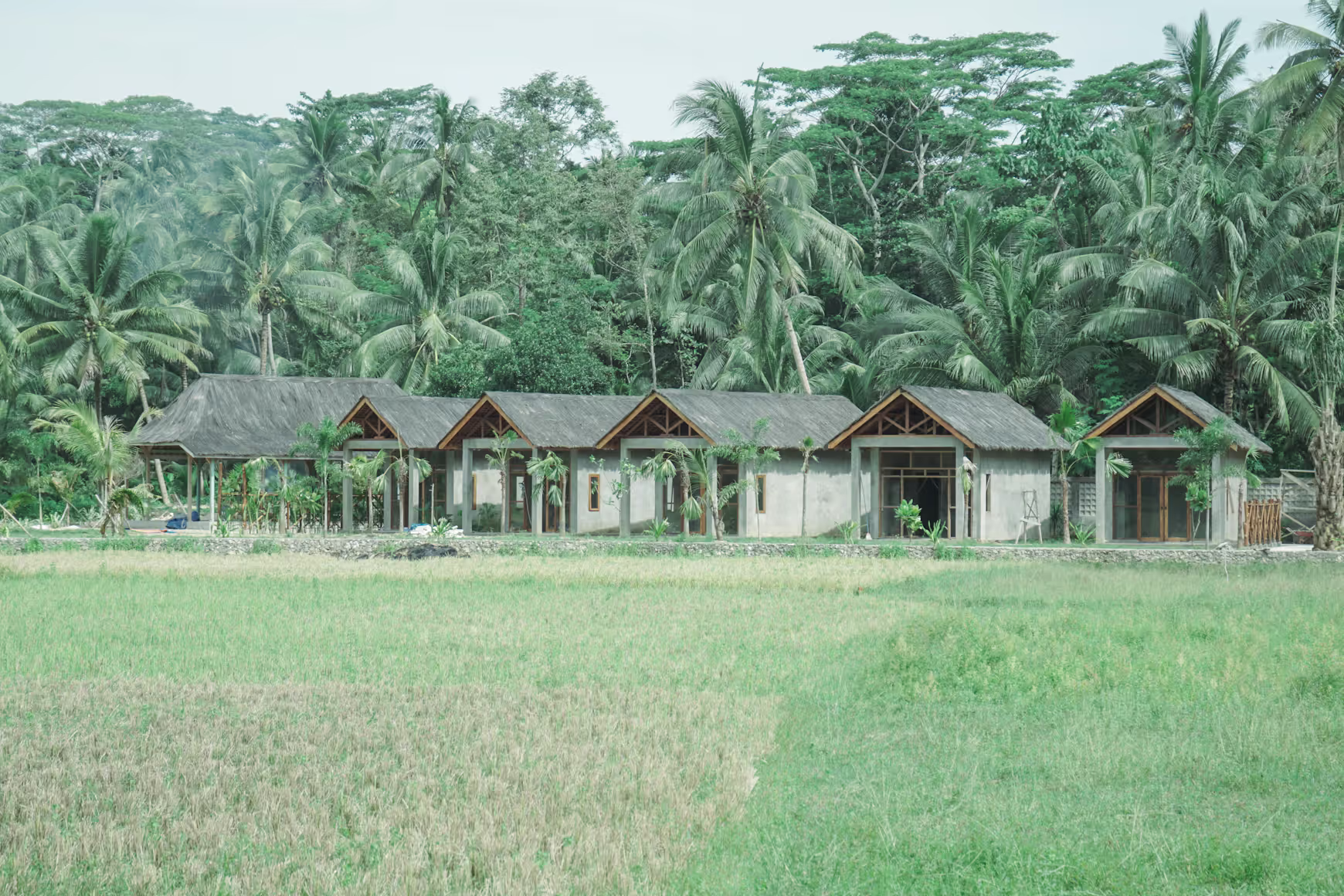
Facing these challenges, initiatives are emerging. Eco-responsible hotels use solar energy, recycle gray water, compost waste. NGOs train communities in sustainable resource management. Marine protected areas are being created.
The Chumbe Island model is exemplary: an ecological lodge of 7 bungalows, 100% solar-powered, with a strictly protected marine reserve. Result: corals regenerate, fish return, tourists pay more for an authentic experience.
Other examples: Jozani's community lodges, where revenues go directly to villagers. Fair-trade certified seaweed farms. Tours guided by former fishermen converted to nature guides.
What You Can Do
Sustainable tourism isn't just a matter for hoteliers and governments. It's also travelers' responsibility.
Choose responsible operators. Favor small local structures over large international chains. Check their environmental practices.
Respect resources. Limit your water consumption. Refuse single-use plastic. Don't touch corals.
Pay the fair price. A $10 tour cannot be sustainable. Someone, somewhere, pays the difference: the underpaid guide, the degraded environment, the exploited community.
Take your time. Slow travel is more sustainable than mass tourism. Stay longer, visit fewer sites, create connections.
Sustainable tourism in Zanzibar isn't a utopia. It's a necessity. The island cannot welcome 1 million tourists per year without destroying itself. We must choose: quantitative or qualitative growth. At Noor Experience, we've made our choice. Small groups, fair compensation, environmental respect, cultural immersion. We don't want to be the biggest. We want to be the best. For Zanzibar. For you.