

Swahili Cuisine: The Art of Fusion in Zanzibar
When the Indian Ocean Meets Your Plate
In Zanzibar, you don't just eat to nourish yourself. You eat to travel. Each dish is a geographical map, each spice a chapter of history. Biryani tells of India, pilau evokes Oman, urojo sings of Africa. Swahili cuisine isn't fusion by accident. It's fusion by essence.
Pillars of Zanzibari Cuisine
Three ingredients dominate the island's cuisine: rice, fish and spices. But it's in their combination that magic happens.
Rice is never neutral. Pilau is perfumed with cardamom and cloves. Biryani is colored with saffron and turmeric. Each grain must be distinct, never sticky - it's the mark of an expert cook.
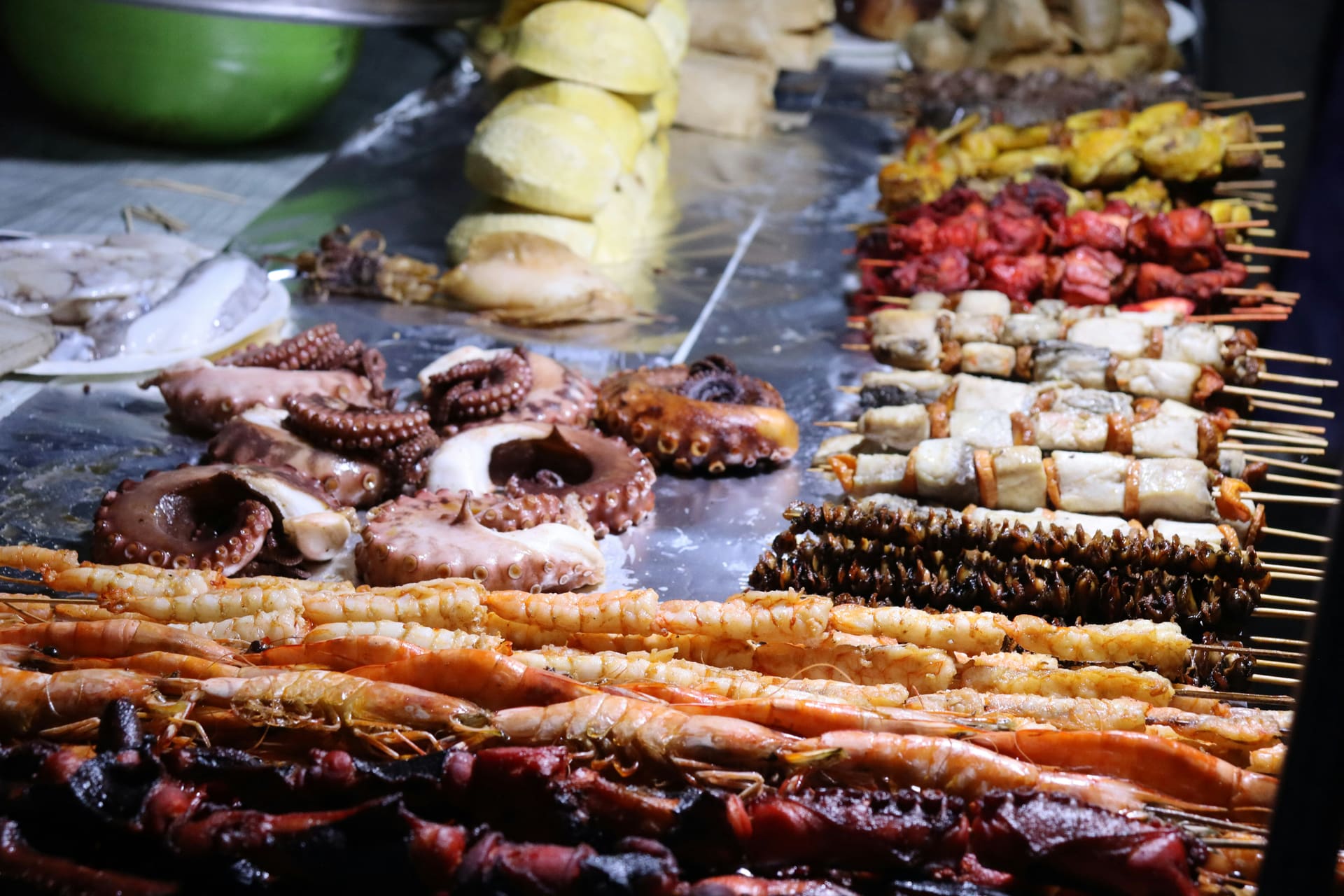
Fish comes in infinite variations: charcoal-grilled (samaki wa kupaka), simmered in coconut milk (mchuzi wa samaki), dried and fried (dagaa). Fishermen leave at dawn and return with sea bream, tuna, octopus. Fish never stays more than 6 hours out of water before being cooked.
Spices aren't there to mask, but to reveal. Cloves bring warmth, cardamom brings freshness, cumin brings depth. A good Zanzibari cook uses 15 to 20 different spices in a single dish.
Three Must-Try Dishes
Urojo (Zanzibar Mix): the ultimate street food. A thick soup of lentils, potatoes, cassava, bhajia (fritters), hard-boiled egg, mango chutney and chili. Each vendor has their secret recipe. The best urojo is found at Darajani Market, at Bi Mwarabu's, who's been cooking for 40 years.
Zanzibar Biryani: different from Indian biryani. Rice is cooked separately from meat (chicken, beef or goat), then assembled in layers with potatoes, hard-boiled eggs and raisins. Everything is perfumed with rose water and saffron. Traditionally served at weddings and celebrations.
Octopus Curry: octopus is tenderized by beating it against rocks (ancestral technique), then simmered for hours in a curry of coconut milk, tamarind and spices. The result is tender, slightly acidic, explosive in flavors. A fisherman's dish that became a gastronomic icon.
Indian Influence: More Than an Import
Indians arrived in Zanzibar over 200 years ago, first as traders, then as residents. They brought their techniques (the tandoor, chapati), their spices (fenugreek, asafoetida) and their vegetarian traditions.
But Zanzibar's Indian cuisine isn't that of Mumbai or Delhi. It's been Swahilized. Chapati is thicker, cooked with coconut milk. Samosa is stuffed with fish rather than vegetables. Chai is infused with local cardamom and fresh ginger.
Stone Town's Indian restaurants (like Lukmaan or Passing Show) serve unique hybrid cuisine: Indian curries with Zanzibari fish, pilau rice with biryani techniques, chutneys with tropical fruits.
Eating Like a Local
Zanzibaris eat with their hands. Not for lack of cutlery, but by tradition. The right hand forms balls of rice and curry, which are brought to the mouth. It's an art to be learned.
Where to eat authentic: - Forodhani Gardens (evening): the night market where all of Stone Town gathers. Seafood skewers, Zanzibar pizza (stuffed chapati), fresh sugarcane juice. - Lukmaan Restaurant: institution since 1950. No menu, you're served what was cooked that day. Always excellent, always crowded. - At families' homes: real Zanzibari cuisine is eaten at home. Some families open their doors to curious travelers. That's where you'll taste real grandma's pilau, real mchuzi wa samaki.
Zanzibari cuisine isn't frozen in the past. It evolves, adapts, integrates new influences. But it remains faithful to its essence: generous, spicy, mixed. Eating in Zanzibar means understanding the island. It's tasting its history, smelling its perfumes, touching its soul.