

Zanzibar, Land of Spices: An Ancient Heritage Reborn
From the clove sultanate to the organic revolution
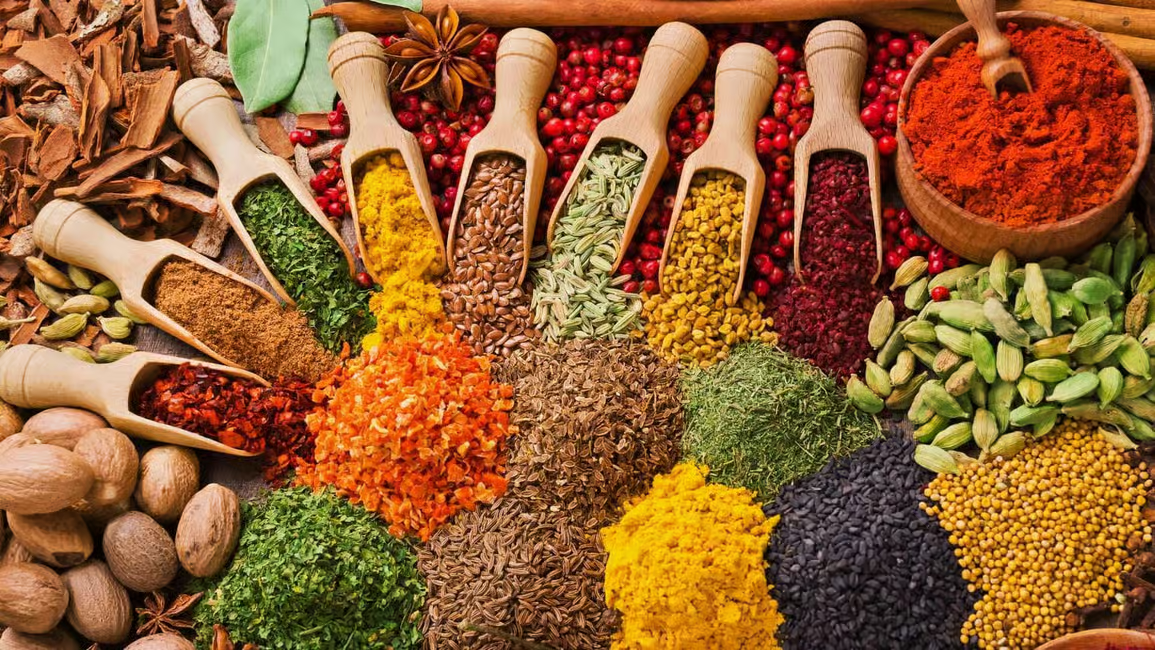
Close your eyes. Breathe in. Cinnamon, clove, cardamom, nutmeg. In Zanzibar, the air itself is spiced. This is not a metaphor: spice plantations still cover 20% of the island, and when the wind blows from the hills inland, the whole of Stone Town is fragrant. But behind these intoxicating scents lies a complex story of decline and rebirth. For Zanzibar, once the world's largest producer of cloves, almost lost its identity as the spice island.
The Golden Age: When Zanzibar Perfumed the World
The history of spices in Zanzibar begins in 1818, when the Omani sultan Seyyid Said moved his capital from Muscat to Stone Town. A visionary, he understood that the archipelago's tropical climate was ideal for growing the spices the whole world was clamouring for.
He brought in clove seedlings from the Moluccas (Indonesia), pepper plants from India and cinnamon trees from Sri Lanka. He ordered every landowner to plant three clove trees for every coconut palm. Those who refused had their land confiscated.
The result exceeded all expectations. By 1850, Zanzibar was producing three quarters of the world's cloves. Its twin island, Pemba, produced even more. Merchant ships from India, China and Europe queued in the port of Stone Town. The houses of the spice merchants competed in luxury with their carved doors and marble courtyards.
But this golden age rested on a dark reality: slave labour. The plantations were worked by tens of thousands of enslaved Africans, torn from the mainland. When slavery was abolished in 1897, and then when the 1964 revolution redistributed the land, the plantations were broken up, abandoned, forgotten.
Decline and a Silent Crisis
In the 1990s, clove production in Zanzibar collapsed. From more than 6,000 tonnes a year, it fell below 2,000 tonnes. The causes were many.
The clove trees planted in the 19th century were ageing. A clove tree takes 5 to 6 years to give its first harvest and reaches full production after 20 years. Few farmers have the patience - and the means - to wait. Many uprooted their trees to plant cassava or bananas, food crops with an immediate yield.
The world market changed too. Indonesia, Madagascar and India invested heavily in spice production. Their prices were lower, their volumes higher. International buyers turned away from Zanzibar.
Finally, climate change struck. The rainy seasons became unpredictable. Droughts became more frequent. The clove trees, used to a stable rainfall pattern, suffered. Some years, the harvest was halved.
Zanzibar, the spice island, risked losing its title. And with it, its identity.
The Organic Revolution: 100 Certified Farmers in Pemba
It was against this background that a new vision was born. What if, instead of competing on volume, Zanzibar bet on quality? Instead of producing cheap spices, why not produce the best spices in the world?
In 2020, the Zanzibar State Trading Corporation (ZSTC) signed a partnership with GANEFRYD, a Danish company specialising in premium organic spices. The goal: certify organic farms in Pemba and export directly to Europe, without intermediaries.
Today, more than 100 farmers in Pemba are certified organic. They grow cloves, vanilla, cardamom, cinnamon and black pepper using ancestral methods, without pesticides or chemical fertilisers. European demand is staggering: 10,000 tonnes of organic cloves a year for the European market alone.
The model is based on agroforestry: the spices grow under the canopy of fruit trees - mango, avocado and jackfruit trees. This traditional technique, rediscovered by modern science, preserves biodiversity, enriches the soil and protects the crops from too much sun.
The results are tangible. The Swiss brand 1001 Organic, which harvests its spices sustainably in Zanzibar, won the Monde Selection Food Awards three times in 2025. Pemba's cloves are now considered the best in the world by Michelin-starred chefs.
Women, the Pillars of the Rebirth
What the statistics do not always say is that the revival of spices in Zanzibar is largely carried by women.
In Pemba, it is mainly women who grow the spices on small family farms. They run the nurseries, watch over the growth of the plants and organise the harvest. The income they generate pays for the children's schooling, the family's health and the building of houses.
The Gando Farmers Association (GAFA), founded by women farmers in Pemba, now has hundreds of members. It negotiates directly with European buyers, bypassing the intermediaries who used to take up to 70% of the margin.
But the women of Zanzibar do not stop at the spices of the land. In the coastal villages of the east of the island, in Paje and Jambiani, thousands of women farm seaweed - the "green diamond" of the Indian Ocean. This crop, introduced in the 1990s, has become a crucial source of income. The seaweed is exported to Asia for cosmetics and the food industry.
Visiting a spice farm or a seaweed field means meeting these women. Listening to their stories. Understanding how farming can be a tool of emancipation.
Visiting a Spice Farm: What to Expect
A "Spice Tour" in Zanzibar is not a simple walk in a garden. It is a complete sensory experience.
The arrival: You are welcomed by a farmer who hands you a leaf. "Close your eyes, crush it, smell it." Lemongrass. Then another one: holy basil. A third: cinnamon. The journey begins with your nose.
The discovery: Your guide takes you into the plantation. You learn that vanilla is an orchid that has to be pollinated by hand. That pepper grows in clusters on a vine. That nutmeg hides a treasure: mace, the bright red membrane around it, worth more than gold by the gram.
The challenge: You are handed a round green fruit. "Taste it." It is a fresh clove, before drying. The taste is explosive, minty, almost numbing. Nothing like the dried clove you know.
The meal: The visit always ends with a meal cooked with the farm's spices. Pilau scented with saffron and cardamom, fish curry with coconut milk and fresh turmeric, boiling chai infused with ginger and cloves. Every mouthful is a geography lesson.
The best farms: - Kizimbani: The oldest, founded in the time of Sultan Said. Century-old clove trees. - Kidichi: Near the historic Persian baths. Panoramic view over the island. - Organic Spice Farm: An NGO that trains young farmers. 100% organic, an educational approach.
Zanzibar never stopped being the spice island. It simply fell asleep. Today, a new generation of farmers is waking it up with a modern vision: quality rather than quantity, organic rather than chemical, fair trade rather than exploitation. Every certified organic clove, every hand-pollinated vanilla pod, every peppercorn harvested under the canopy is an act of resistance against a world that looks more and more the same. Visiting a spice farm in Zanzibar is not tourism. It is a pilgrimage to the roots of flavour.